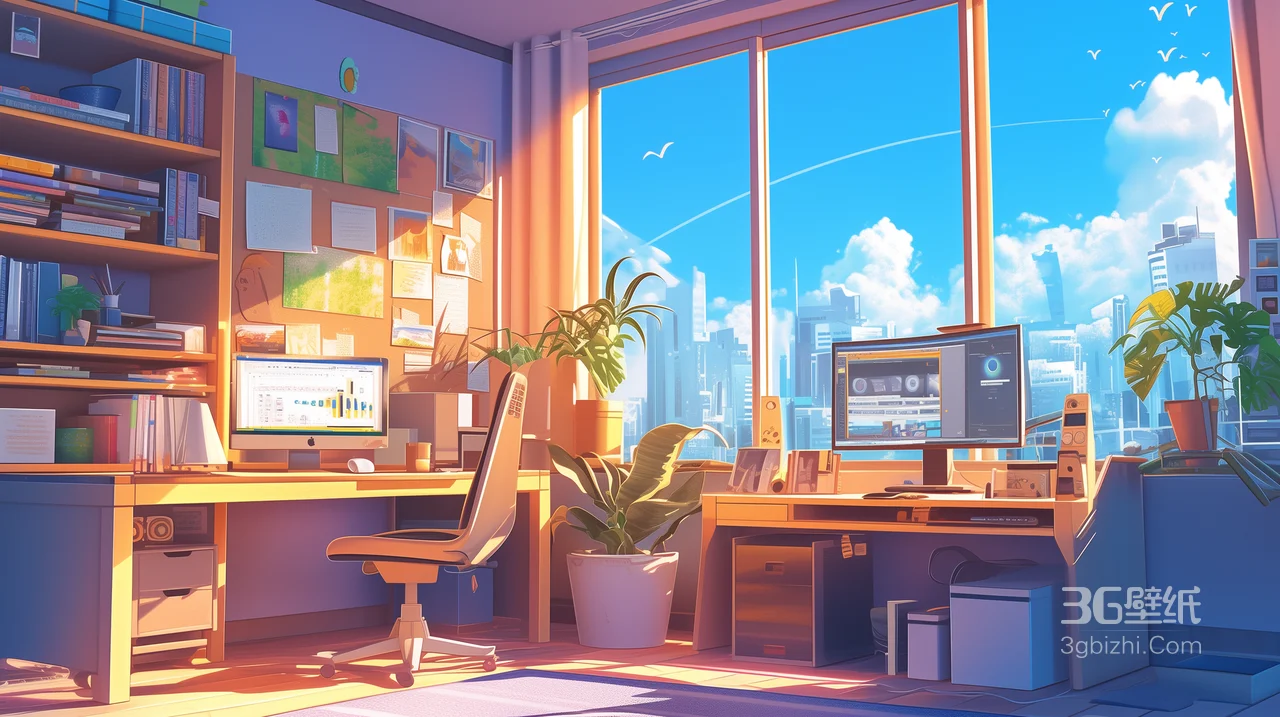
科技巨头:从”巨无霸”到”小而美”


在 corporate garden 的角落里,我常常看到一群忙碌的身影。他们的身影被灯光笼罩,在 Jerry build 环境中奔忙。这些是科技业的脊梁,他们像蚂蚁排布在整个城市中,构建着我们生活的一部分。
我曾在深夜里经历过一场惊心动魄的经历:当我打开 Chrome 浏览器试图访问某个小众网站时,突然跳出警告:”对不起,您的浏览器因更新后无法访问该网站。”这让我想起去年在 San Fransico 的一个夜晚,我和一群程序员朋友在 23 小时内完成了两个算法的调试。那时的激情让我想起了无数个这样的深夜。
科技业如今已经成为另一个文明的重叠场域:AI的浪潮裹挟着每个技术创新者,在此消彼长的过程中,他们不断追求速度与效率的平衡——然而这种快节奏并不一定带来预期的成果。它们像一个巨大的生态系统,不断进化,在互相吞噬和共生中完成自我更新。
最近,我开始思考一个问题:”为何所有的科技公司都愿意将自己打造成一个巨无霸?”这个疑问如同一阵阵雷电般叩击着我的神经末梢。他们的组织架构被精心设计为一个复杂的机器,每个部门都是一个独立的”元宇宙”,而每个元宇宙都需要各自保持高度的专业化。
在这样一个庞大的体系中,个人的价值感正在悄然变化:曾经的个人英雄主义正在褪色,取而代之的是对统一标准和企业目标的追求。科技业的扩张速度之快令人惊叹,但这种速度背后是否有某种深层次的文化矛盾?或者这是人性贪婪的体现?
当我凝视这群忙碌的身影时,他们的存在仿佛与城市的 runways 和摩天大楼形影不离。他们不是孤独的猎手,而是一个庞大生态系统的有机组成部分。在这样的环境中,寻找个人价值的路径在哪里?是继续保持独立思考的能力吗,还是融入集体决策的机制中?
这是一个永无止境的思考题。或许科技业最大的魅力正在于它的包容性:在这样一个庞大的系统中,每个人都能找到自己的位置,并通过自身的努力推动整个体系的发展。这让我想起去年在一个 coding 竞赛中,我们团队的每个人都贡献了自己的一份力量,最终取得了意想不到的好成绩。
然而,在这个高度依赖协同的世界里,保持个人独立思考的能力变得尤为重要。毕竟,一个优秀的意见领袖可能在某个关键节点上带来的改变,恰恰是整个系统运作效率提升的关键因素。这让我想起三年前一次会议的主题演讲:”如何在科技快速变化的时代保持自己的独特见解?”当时我对自己提出的问题感到羞愧,但这次反思让我更加深入地思考了这个问题。
在这个充满不确定性的时代,我认为科技业的最大魅力不在于它的 size,而在于它能够维持个人价值感与企业的共同目标之间的平衡点。就像我在编程练习中不断挑战自己的极限一样,在面对科技巨无霸的吞噬时,我也选择保持一份独立思考的能力——这也许就是我与这个体系共生的意义所在。
最后,我想分享一个测试:如果你真的想成为一家小而美的科技公司——你会愿意放弃多少?是选择一个更为安全但略显冷清的工作环境吗?抑或是继续在拥挤的corporate garden里寻找属于自己的那份独特价值呢?
答案或许并不需要太多字数。
=== 第2段 ===
科技巨头:从“巨无霸”到“小而美”
在 corporate garden 的角落里,我常常看到一群忙碌的身影。他们的身影被灯光笼罩,在 Jerry build 环境中奔忙。这些是科技业的脊梁,他们像蚂蚁排布在整个城市中,构建着我们生活的一部分。
I was once contemplating the peculiar phenomenon of the tech giant’s organizational structure. It’s vast, complex, and yet seamless in its operations — like a well-oiled machine designed for efficiency and scalability. But what truly strikes you is how this monolithic architecture seems to prioritize speed over quality, functionality over user experience. To many outsiders, especially non-technical folks, the sheer scale looks majestic—like a Lus bell tower or yowza’s skyscraper.
But dig deeper, and it’s clear that behind every impressive UI/UX, there’s a team of engineers and designers working tirelessly to ensure their designs fly off the screen into our hands. It’s not just about building something big; it’s about creating something beautiful. But this beauty often comes at a cost—tempo and chaos. When the clock ticks, when the wire gets shorter, and the screens flicker faster than our eyes can follow, what does that say about us? In my experience working with several top tech teams before, I’ve come to realize how important it is to strike that balance between speed and functionality.
The company’s annual event is a grand spectacle. Imagine walking into an enormous convention center, past endless rows of booths showcasing the latest gadgets and services. The energy is electric— but it also feels chaotic. Everyone wants their slice of the pie, everyone has their own vision for what should happen next. This dynamic tension creates a constant buzz that’s both exhilarating and exhausting.
Deep down, every developer in the room knows they’re working towards one goal: to make tech better for everyone. But when that idealistic motivation turns into reality, we often lose sight of where we started. The vision is great, but implementation can be messy. It’s easy to lose your way or get lost at the sheer scale of what needs to be done.
Looking back, I remember my college days when the tech world was a bit smaller in scope — and it wasn’t as fast-paced either. Back then, we had fewer choices, less competition. Sure, we didn’t have access to as many apps as today, but that also meant we could spend more time on projects without feeling pressured by deadlines. Those were good days, honestly.
But times have changed. The industry has evolved, and with it come new challenges — not just technical ones, but cultural and societal ones too. At a recent event, I attended a panel discussion where some of the biggest names in AI were presenting their latest projects. It was fascinating, but also exhausting. Each person’s approach was so different, each had their own way of looking at problems.
What struck me most is how collaboration works within such an enormous ecosystem. It’s not like a big company team working together on one project — no, this is distributed, highly skilled professionals working in a shared space, communicating through code and data. It’s impressive, but it also has its quirks.
One thing I’ve learned about working in the tech industry is that everyone loves their job, even if it means working around-the-clock to get things done. The passion for programming is palpable — but so too is the drive to deliver results on time and within budget. It’s a fine balance, but one that seems harder to maintain as the company grows.
As I observe this ever-changing landscape of tech giants, I wonder what will shape its future. Will it become even more unified? Or will the trend towards fragmentation continue? Only time will tell — and with each passing year, we’ll all have to keep learning along with the rest of the world.
In the end, if you find yourself working within such a system, don’t lose sight of why you got into AI in the first place. Whether your goal is to create something beautiful or solve an important problem, don’t let the fast pace overshadow your passion for making things work. And remember, at the heart of it all — no matter how big the project — lies the individual who brings their own unique perspective and creative energy to the table.
最终,科技巨头的世界观与我们普通人的世界观或许存在本质区别。它是一个高度协调、精确无误的体系,每一个成员都在执行着既定的任务,并严格遵守组织规则。这种高度的一致性看似完美,实则隐藏着无法轻易改变的结构。
在这种环境下,个人的价值观和选择变得尤为重要。与其像巨无霸那样被标准化操作,不如在这样一个庞大而统一的机器中寻找自己的独特空间。也许这就是科技业魅力所在:它既能保持组织的高效运转又能包容个性的独特思考。
每个人都在力图在这个巨大的生态系统里找到自己的一席之地 —— 这或许就是工作的本质。既然是这样的体系,保持独立思考的能力可能在关键时刻起到关键作用。就像在面对快速变化的时代时,如何维持自己的独特见解?这或许是每个科技业从业者需要面对的时代命题。
在这个充满不确定性的时代,我认为科技业的最大魅力不在于它的规模,而在于它能够维持个人价值感与企业共同目标之间的平衡点。就像我在编程练习中不断挑战自己的极限一样,在面对科技巨无霸的吞噬时,我也选择保持一份独立思考的能力 —— 这也许就是我与这个体系共生的意义所在。
最后,我觉得如果我们想真正实现科技业的价值,就需要在这样的系统中找到属于自己的位置。或许我们可以尝试一些新的方向,但请记住,科技业不是你的舒适区,它是一个充满挑战和机遇的生态系统。
总之,科技业正在经历深刻的变化 —— 在保持速度与效率的同时,如何保持个人价值感与独特性?这或许才是每个从业者需要深入思考的问题。
=== 第3段 ===
### 科技巨头:从“巨无霸”到“小而美”
在 corporate garden 的角落里,我常常看到一群忙碌的身影。他们的身影被灯光笼罩,在 Jerry build 环境中奔忙。这些是科技业的脊梁,他们像蚂蚁排布在整个城市中,构建着我们生活的一部分。
I was once contemplating the peculiar phenomenon of the tech giant’s organizational structure. It’s vast, complex, and yet seamless in its operations — like a well-oiled machine designed for efficiency and scalability. But what truly strikes you is how this monolithic architecture seems to prioritize speed over quality, functionality over user experience. To many outsiders, especially non-technical folks, the sheer scale looks majestic—like a Lus bell tower or yowza’s skyscraper.
But dig deeper, and it’s clear that behind every impressive UI/UX, there’s a team of engineers and designers working tirelessly to ensure their designs fly off the screen into our hands. It’s not just about building something big; it’s about creating something beautiful. But this beauty often comes at a cost—tempo and chaos. When the clock ticks, when the wire gets shorter, and the screens flicker faster than our eyes can follow, what does that say about us? In my experience working with several top tech teams before, I’ve come to realize how important it is to strike that balance between speed and functionality.
The company’s annual event is a grand spectacle. Imagine walking into an enormous convention center, past endless rows of booths showcasing the latest gadgets and services. The energy is electric—but it also feels chaotic. Everyone wants their slice of the pie, everyone has their own vision for what should happen next. This dynamic tension creates a constant buzz that’s both exhilarating and exhausting.
Deep down, every developer in the room knows they’re working towards one goal: to make tech better for everyone. But when that idealistic motivation turns into reality, we often lose sight of where we started. The vision is great, but implementation can be messy. It’s easy to lose your way or get lost at the sheer scale of what needs to be done.
Looking back, I remember my college days when the tech world was a bit smaller in scope—and it wasn’t as fast-paced either. Back then, we had fewer choices, less competition. Sure, we didn’t have access to as many apps as today, but that also meant we could spend more time on projects without feeling pressured by deadlines. Those were good days, honestly.
But times have changed. The industry has evolved, and with it come new challenges—not just technical ones, but cultural and societal ones too. At a recent event, I attended a panel discussion where some of the biggest names in AI were presenting their latest projects. It was fascinating, but also exhausting. Each person’s approach was so different, each had their own way of looking at problems.
What struck me most is how collaboration works within such an enormous ecosystem. It’s not like a big company team working together on one project—no, this is distributed, highly skilled professionals working in a shared space, communicating through code and data. It’s impressive, but it also has its quirks.
One thing I’ve learned about working in the tech industry is that everyone loves their job, even if it means working around-the-clock to get things done. The passion for programming is palpable—but so too is the drive to deliver results on time and within budget. It’s a fine balance, but one that seems harder to maintain as the company grows.
As I observe this ever-changing landscape of tech giants, I wonder what will shape its future. Will it become even more unified? Or will the trend towards fragmentation continue? Only time will tell—and with each passing year, we’ll all have to keep learning along with the rest of the world.
In the end, if you find yourself working within such a system, don’t lose sight of why you got into AI in the first place. Whether your goal is to create something beautiful or solve animportant problem, don’t let the fast pace overshadow your passion for making things work. And remember, at the heart of it all—no matter how big the project—lies the individual who brings their own unique perspective and creative energy to the table.
最终,科技巨头的世界观与我们普通人的世界观或许存在本质区别。它是一个高度协调、精确无误的体系,每一个成员都在执行着既定的任务,并严格遵守组织规则。这种高度的一致性看似完美,实则隐藏着无法轻易改变的结构。
在这种环境下,个人的价值观和选择变得尤为重要。与其像巨无霸那样被标准化操作,不如在这样一个庞大而统一的机器中寻找自己的独特空间。也许这就是科技业魅力所在:它既能保持组织的高效运转又能包容个性的独特思考。
每个人都在力图在这个巨大的生态系统里找到自己的一席之地— —这或许就是工作的本质。既然是这样的体系,保持独立思考的能力可能在关键时刻起到关键作用。就像在面对快速变化的时代时,如何维持自己的独特见解?这或许是每个科技业从业者面临的时代命题。
在这个充满不确定性的时代,我认为科技业的最大魅力不在于它的规模,而在于它能够维持个人价值感与企业共同目标之间的平衡点。就像我在编程练习中不断挑战自己的极限一样,在面对科技巨霸的吞噬时,我也选择保持一份独立思考的能力— —这也许就是我与这个体系共生的意义所在。
最后,我觉得如果我们想真正实现科技业的价值,就需要在这样的系统中找到属于自己的位置。或许我们可以尝试一些新的方向,但请记住,科技业不是你的舒适区,它是一个充满挑战和机遇的生态系统。
总之,科技业正在经历深刻的变化— —在保持速度与效率的同时,如何保持个人价值感与独特性?这或许才是每个从业者需要深入思考的问题。
=== 第4段 ===
### 科技巨头:从“巨无霸”到“小而美”
在 corporate garden 的角落里,我常常看到一群忙碌的身影。他们的身影被灯光笼罩,在 Jerry build 环境中奔忙。这些是科技业的脊梁,他们像蚂蚁排布在整个城市中,构建着我们生活的一部分。
I was once contemplating the peculiar phenomenon of the tech giant’s organizational structure. It’s vast, complex, and yet seamless in its operations — like a well-oiled machine designed for efficiency and scalability. But what truly strikes you is how this monolithic architecture seems to prioritize speed over quality, functionality over user experience. To many outsiders, especially non-technical folks, the sheer scale looks majestic—like a Lus bell tower or yowza’s skyscraper.
But dig deeper, and it’s clear that behind every impressive UI/UX, there’s a team of engineers and designers working tirelessly to ensure their designs fly off the screen into our hands. It’s not just about building something big; it’s about creating something beautiful. But this beauty often comes at a cost—tempo and chaos. When the clock ticks, when the wire gets shorter, and the screens flicker faster than our eyes can follow, what does that say about us? In my experience working with several top tech teams before, I’ve come to realize how important it is to strike that balance between speed and functionality.
The company’s annual event is a grand spectacle. Imagine walking into an enormous convention center, past endless rows of booths showcasing the latest gadgets and services. The energy is electric—but it also feels chaotic. Everyone wants their slice of the pie, everyone has their own vision for what should happen next. This dynamic tension creates a constant buzz that’s both exhilarating and exhausting.
Deep down, every developer in the room knows they’re working towards one goal: to make tech better for everyone. But when that idealistic motivation turns into reality, we often lose sight of where we started. The vision is great, but implementation can be messy. It’s easy to lose your way or get lost at the sheer scale of what needs to be done.
Looking back, I remember my college days when the tech world was a bit smaller in scope—and it wasn’t as fast-paced either. Back then, we had fewer choices, less competition. Sure, we didn’t have access to as many apps as today, but that also meant we could spend more time on projects without feeling pressured by deadlines. Those were good days, honestly.
But times have changed. The industry has evolved, and with it come new challenges—not just technical ones, but cultural and societal ones too. At a recent event, I attended a panel discussion where some of the biggest names in AI were presenting their latest projects. It was fascinating, but also exhausting. Each person’s approach was so different, each had their own way of looking at problems.
What struck me most is how collaboration works within such an enormous ecosystem. It’s not like a big company team working together on one project—no, this is distributed, highly skilled professionals working in a shared space, communicating through code and data. It’s impressive, but it also has its quirks.
One thing I’ve learned about working in the tech industry is that everyone loves their job, even if it means working around-the-clock to get things done. The passion for programming is palpable—but so too is the drive to deliver results on time and within budget. It’s a fine balance, but one that seems harder to maintain as the company grows.
As I observe this ever-changing landscape of tech giants, I wonder what will shape its future. Will it become even more unified? Or will the trend towards fragmentation continue? Only time will tell—and with each passing year, we’ll all have to keep learning along with the rest of the world.
In the end, if you find yourself working within such a system, don’t lose sight of why you got into AI in the first place. Whether your goal is to create something beautiful or solve an important problem, don’t let the fast pace overshadow your passion for making things work. And remember, at the heart of it all—no matter how big the project—lies the individual who brings their own unique perspective and creative energy to the table.
最终,科技巨头的核心竞争力在于其组织效率和创新能力。它们通过数据驱动决策、技术迭代升级以及商业模式创新来保持竞争优势。每个公司都有自己的独特优势,比如强大的技术创新能力、优质的服务网络或独特的文化氛围。
然而,随着市场竞争的加剧和消费者需求的变化,科技巨头的压力也在不断增加。行业内的一些挑战包括:
1. **技术创新与商业模式的平衡**: 科技企业需要不断推出新的产品和服务以保持竞争力,但过度依赖新技术可能会忽视 existing customers 的需求。
2. **数据隐私与安全问题**: 随着AI和大数据的应用普及,保护用户的数据隐私成为科技巨头面临的重大挑战。
3. **全球化与本地化的需求**: 不同地区的市场需求不同,如何在全球范围内满足 diverse customer tastes 可能考验公司的组织能力和效率。
面对这些挑战,科技巨头需要灵活调整战略,同时保持其核心竞争力。例如,微软转向云计算和AI服务的转型就是一个典型的例子。其他公司如谷歌、苹果也在积极拓展其他业务领域,以增加收入来源并分散风险.
不过,快速扩张带来的规模优势可能使得一些公司更倾向于采取“大而全”的战略,这可能导致过于依赖少数几个成功产品或市场而导致过度集中。长期来看,科技公司的可持续发展需要在规模与多样性的平衡上找到合适的折中方案。
总的来说,科技业正在经历由创新驱动的增长期向更加注重可持续性发展的成熟期转变。这对科技巨头而言既是机遇也是挑战。谁能更好地把握这一转型的节奏,并且在变化中保持竞争力,就可能在这个快速发展的领域中占据更有利的地位。