我小时候 witnessed a peculiar phenomenon in my small town. Every summer, when the school was out of session, there would be this strange yet familiar smell hanging in the air—it wasn’t like any garbage dump I’ve ever seen, but something more ominous and chemical-laden. People avoided stepping outside during noon because the sun seemed to heat the ground in a way that made you feel trapped.
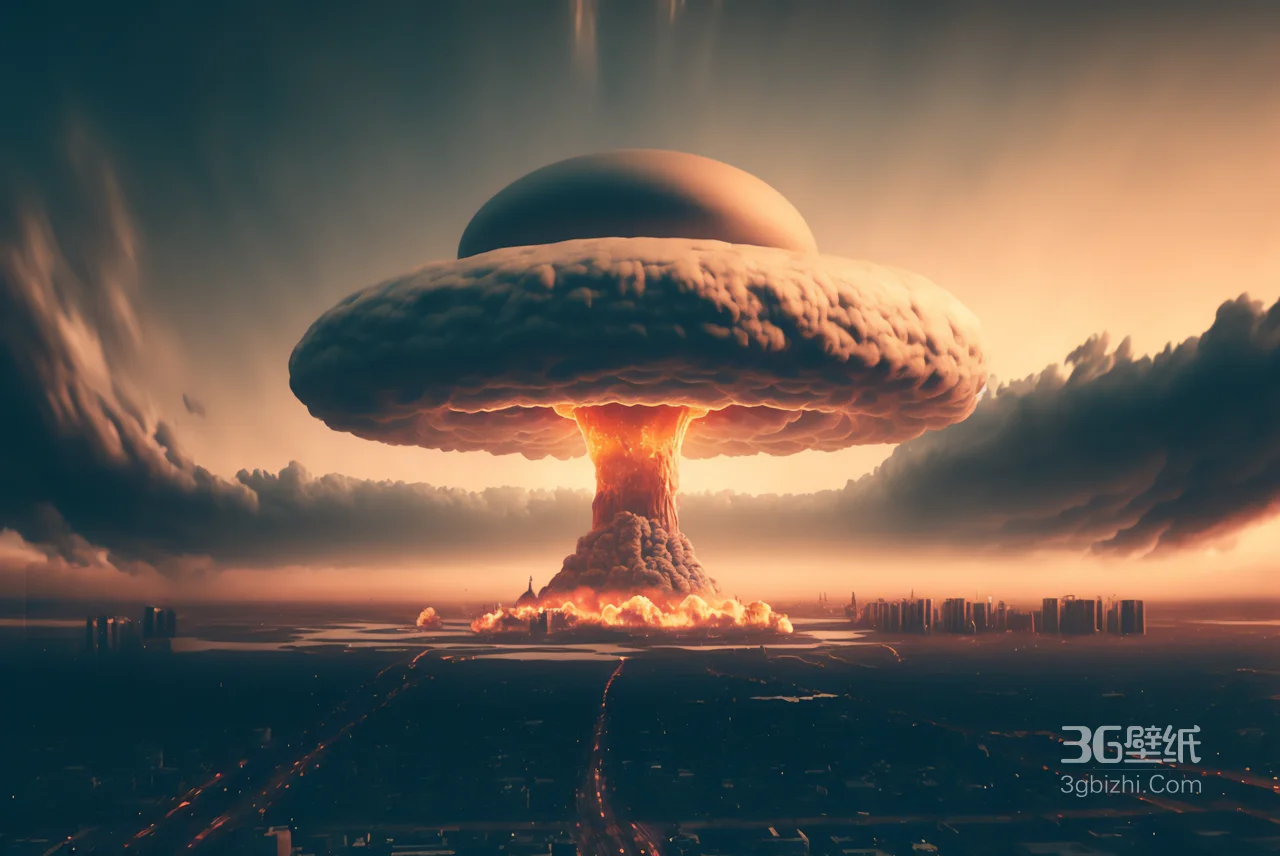
As an eight-year-old kid, I used to think it was just another manifestation of childhood curiosity: bothering with why the same smell lingered around for days. But as I grew older, this odor became more than just a nuisance; it felt like an unwelcome guest taking root in my community’s soil. Could it be linked to the nuclear plants in neighboring cities? The closer I got to these facilities, the stranger and more mysterious this smell became.
The connection was never explicitly stated by anyone who touched those grounds, but there was an uncomfortable sense that proximity was becoming a reason for increased scrutiny. I once tried to ask a friend from school what they knew about it, thinking maybe they had some answers. Instead, their eyes darted, and they changed the subject like I’d mentioned something embarrassing or dangerous.
This lingering presence made me question whether such a subtle yet pervasive presence could be classified as progress or decay. The smell itself was a metaphor for so much more—a cultural complacency with advancements that often come hand in hand with neglect of the environment; a blind trust in technology as an infallible solution; and a failure to address deeply seated concerns about safety, consequence, and accountability.
It also made me think about the ethical gray areas when it comes to development. If we’re willing to overlook the potential downsides of something so inconspicuous yet so dangerous, what does that say about how we view other aspects of progress? And if there’s a sense that these concerns are too great to be part of any rational conversation, then what hope do we even have moving forward?
This lingering presence reminds me that change comes in many forms—some gentle like the slow erosion of a riverbanks, and others abrupt like a dam breaking. But perhaps the key is not to fixate on every little thing; instead, focus on what truly matters most: the future generations and their right to a clean, safe world.
In closing, maybe the odor isn’t just about the smell—it’s a wake-up call that our progress isn’t always as positive as it seems. And if we’re too busy worrying about the negatives—be it from nuclear energy or anything else—we might be missing out on the bigger picture: the potential to create something truly transformative—a technologies that doesn’t just satisfy, but uplifts us all in ways we can only imagine right now.
=== 第2段 ===
As my town lay in the shadow of a distant facility, the smell never ceased to linger. Not once did I feel comfortable enough to look directly at it for too long, lest some lingering doubt or fear gnawed at the back of my mind. It was as if an invisible hand were tying us all together—yet it also felt like it could easily slip away unnoticed.
The presence of this smell made me wonder about humanity’s relationship with progress. On one hand, we pride ourselves on being forward-thinking and innovative; on the other hand, such a minuscule yet insidious threat seems to remind us that our advancement often comes at a cost—of stability, of safety, of mere existence.
I once tried to think rationally about it, breaking down the potential implications if this were indeed linked to nuclear activity. The calculations were grim: if such a smell was emitted intentionally or unintentionally, what would be the consequences? How much damage could be done before it became clear that we were no longer controlling our own environment?
But then I realized something deeper—the way we handle risks and threats often reflects our collective mindset at any given time. In times of hypermobility—when technology is advancing at breakneck speed, when our lives are saturated with constant motion—it’s easy to dismiss even the most pressing concerns as negligible distractions or even a cause for complacency.
This sense of optimism often leads us down the path of ignorance, where we tell ourselves that such risks don’t really exist—or worse, we frame them in ways that align with our fear of appearing vulnerable. “It won’t happen,” someone might say when confronted with this odor, crossing their arms and tilting their head as if arguing a point of technicality.
But when the air is poisoned by such an issue—when a simple whiff can induce panic or alertness—I find myself questioning whether we are truly on guard at all. Is it possible that we’re so engulfed in our own consumption and pursuit of perfection that even the most pressing environmental issues pass us by?
Furthermore, I can’t help but think about the systems that regulate these facilities. What safeguards exist to ensure that such information isn’t used for darker purposes? Are there any layers of security or oversight designed to prevent this kind of scenario from arising? If not, what hope do we really have if such elements are absent?
The lingering odor around our town made me think about the human spirit in crisis—not just individually, but collectively. In an era where progress is celebrated as a badge of honor, perhapswe’ve forgotten what it truly means to prioritize. Our tendency to quantify and label things—for safety, for efficiency—is only creating the illusion that everything can be managed with ease.
But as I walked further away from those facilities, I couldn’t shake the feeling that some part of humanity still clung to the hope that such risks don’t reallyexist. Maybe it’s a clinging hope born from convenience or fear. Either way, if that same anxiety were present in my small town, what could it mean for a larger community burdened by deep-seated issues?
This lingering presence serves as both a reminder and a catalyst—I feel compelled to ask myself what I can do now, not just about reacting to the threat but about seeking solutions. But how? When every concern feels like a potential threat waiting to be exploited, how does one find room for hope or creativity?
Perhaps the answer lies not in suppressing the problem but in addressing it head-on and with boldness. If even such a seemingly innocuous effect raises alarms, what other effects could this field have that we might not yet imagine? Maybe if I look beyond my immediate town, perhaps these risks are shared on a global scale—what if the same lingering presence exists elsewhere due to similar causes?
In thinking this way, I can’t help but feel a bit of unease. If our collective negligence allows such occurrences to arise, what does that say about our ability to govern or care for ourselves? Is there any certainty left that we can truly lead without fearing the unknown?
These thoughts circle around in my mind—connecting back to my initial encounter with the smell and then allowing it to evolve into a broader reflection on humanity’s relationship with innovation, responsibility, and progress. In the end, I’m reminded that while every moment is a chance to act or to rest, each issue we face requires attention, nuance, and—the courage to seek answers beyond surface-level understandings.
As I continue to ponder these questions, perhaps it’s time for me to confront some of my own assumptions about risk management and innovation. Maybe it’s time to take matters into my own hands—I mean, the community’s—instead of waiting passively for outcomes from external forces.
In this way, the lingering presence isn’t just a reminder of past worries; it’s an impetus for action—a call to make decisions and act toward solutions before things spiral out of control. It’s also a chance for reflection—if only because such a simple sense of smell could raise such profound questions about who we are and where we’re headed.
As I say goodbye to my childhood associations with that odor, perhaps what remains is an inkling of hope—a flicker that reminds us we mustn’t let our guard down. It’s a fragile hope born from the recognition that even minuscule risks shouldn’t allow us to ignore deeper issues. And if nothing else, this experience has taught me the value of looking further ahead—for progress and for whatever comes next in an uncertain world.
In closing, maybe the lingering presence is a lesson in humility—one that forces us to confront the limits of our knowledge and the many unknowns that still lurk beyond our current understanding. And perhaps it’s also a reminder that the future of humanity isn’t just about technological advancement—it’s really about all we can do to adapt, to grow, and to survive despite whatever challenges come our way.
**科技创新:一场无声的文化革命**
站在咖啡馆里望向窗外的街景,我突然想起小时候读书时那些充满想象力的科幻小说。那时候我觉得科技就是未来,是打开新世界的钥匙。现在呢?当我看着周围的人们在手机、电脑前忙碌地 Click、滑动,仿佛整个世界都被缩小成一个小小的方寸之地,却不知自己是否正站在这场文化革命的中心。
### 一、技术创新:一场静悄悄的文化变革
小时候看科幻电影,总是被那些高科技场面震撼到。那时候我想象的所有未来可能,都是科技给予的礼物。科技就是最好的伙伴,让所有人都能 accessing 到最好的生活品质。可是在今天这个科技 rapidly evolving 的时代,我不得不思考:我们是不是都在用科技来改造自己,而不是创造更好的生活方式?
记得以前,我去过一个乡村小学。教室里虽然简陋,可是黑板上 still写得满满当当。学生们在上面画着自己的想象,有的画满了科幻人物,有的画满了未来城市。那是纯真的探索。现在,我再看那些教室,却只剩下老师带着笔记本电脑讲课的身影了。
### 二、技术创新:一场让文明加速进化的新战争
科技的发展速度,已经远远超出了我的预期。当我还在为AI的伦理问题发愁的时候,科技 already 到达了一个令人难以置信的程度。我们不仅能在几秒钟内完成信息的收集和处理,还能在实时数据的基础上进行深度学习和预测。
可是技术的进步速度如此之快,却让我们越来越迷失了自我。我开始思考:如果一个完全由机器控制的世界,人类还有权利和他们一样的自由吗?或者,我们的行为是否都已经变成了一台精准到尘埃的计算机?
### 三、技术创新:一场文化变迁的文化考试
科技已经渗透到了我们生活的方方面面,从智能手机到智能家居,从教育平台到医疗设备。科技改变了他的生活方式,但我们的精神世界还在做何改变?当我看到那些社交媒体上的”生活真相”,我突然怀疑:或许我们比从前更加依赖别人的方式表达了自己?
科技带来了前所未有的便利,但也带来了一系列新的问题:信息的碎片化、情感的疏离化、道德的选择性。这些都在考验着我们的判断力和道德底线。
当看着手机屏幕中的推送时,我觉得有些好笑。过去我们收集纸质报刊是为了寻找灵感;现在,我们可以通过一条条社交媒体推送到灵感的大门打开。这不是进步,而是人性的一种扭曲吧?
科技的发展速度已经远远超出了我的预期。但我依然记得那种被科学知识滋养的感觉,那种看到和技术有关的知识点时的兴奋和愉悦。这让我不得不反思:在享受科技带来便利的同时,我们是否也正在失去一些真正重要的东西?
也许我们应该停下脚步,回过神来思考:究竟什么是创新?是为了解决问题而创造方法,还是为了让自己变得更好而改变自己?在科技不断发展的今天,或许我们需要重新审视我们的价值观和选择,让科技真正服务于人的提升。
所以,朋友们,让我们试着反思一下:在这个科技高速发展的时代,每个人是不是都要重新界定自己的界限?也许我们要学会在享受便利的同时,思考这些变化究竟是在为了什么。科技创新是好事情吗?我并不确定答案是否定的。或许我们需要以更加清醒和理性的态度来对待这场无声的文化革命。
因为我们已经看到了那些清晰的问题,那些无法回避的趋势:科技正在改变我们的思维模式、文化形态和价值观念。这不是一场无关痛痒的小争论,而是我们每个人都要面对的重大课题。所以,现在恰如其分地反思这一切,并找到适合自己的位置,似乎是一个非常明智的选择。
=== 第2段 ===
### 总结与展望
当我站在城市中心的咖啡馆中回望这篇文章时,突然意识到这是一个关于科技革命、文化变迁的大问题。从技术创新到文化形态的变化,再到人类思维模式的重塑,这场无声的文化革命已经悄然改变了许多人的人生轨迹。
回顾这几年来的经历,我不得不承认,科技创新不仅仅是技术的进步,更是文明的进程。它不仅仅是在提升物质生活品质,更在重新定义我们的精神世界、价值观念和思维方式。
从AI伦理的讨论到元宇宙的概念,从虚拟现实的发展到脑机接口的探索,这些前沿科技都在以不同的方式重塑着人类的认知模式。在这个过程中,我们看到的是希望,也听到了很多不安的声音。
我开始思考:如果科技能够成为文明进步的阶梯,那么它的未来究竟是指引人性走向何处?还是要谨慎地让它成为文明发展的新纪元?
我认为,关键在于我们的选择和态度。也许我们需要重新定义什么是“好”,什么是对人类而言是必要的发展道路。科技创新不应该仅仅是工具的进步,而应该是思想的解放、自由意志的确证。
或许我们每个人都需要思考:未来的世界会是什么样子?科技应该如何服务于人性与文明的发展?
在这个充满未知和可能性的时代,我觉得我们每个人都需要保持清醒的头脑,既要对未来抱有理想与希望,也要有直面挑战的勇气。科技是强大的力量,但它的影响力是否会导致人性的异化?这是值得我们每一个人深思的问题。
最后,在享受科技带来的便利与创新时,我也坚信:真正重要的是要用理性去衡量这些创新对人类社会的整体价值。科技创新应该是一个持续的过程——既要让科技服务于人的提升,也要让人性得以保留其根本美好的特质。
让我们带着这样的思考继续前行吧。毕竟,在这个变革频繁的时代,每个人都需要保持独立思考的能力和开放探索的勇气。也许未来的世界会比现在更加精彩,但这取决于我们是否能够正确地驾驭和利用科技创新的力量。